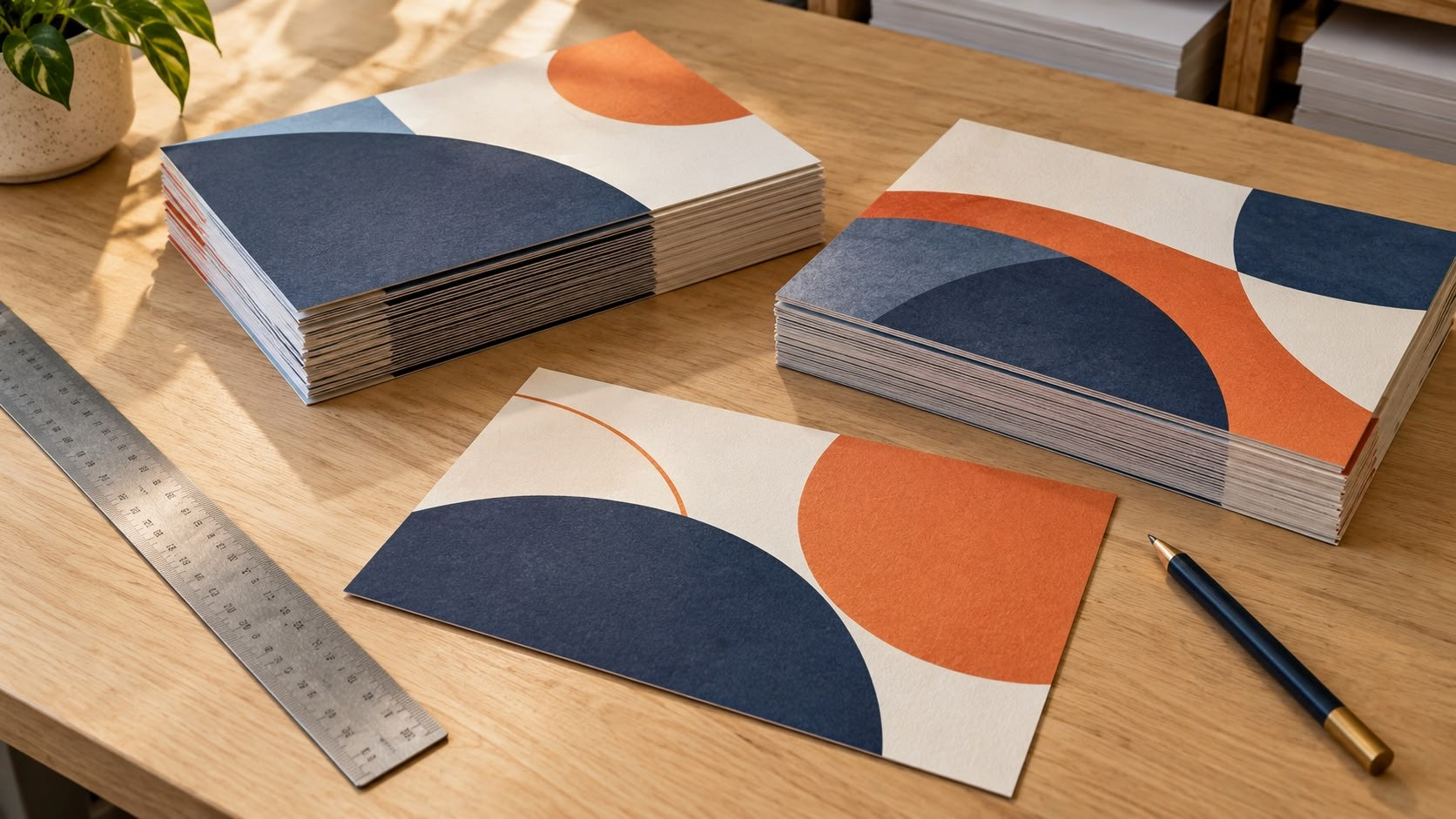
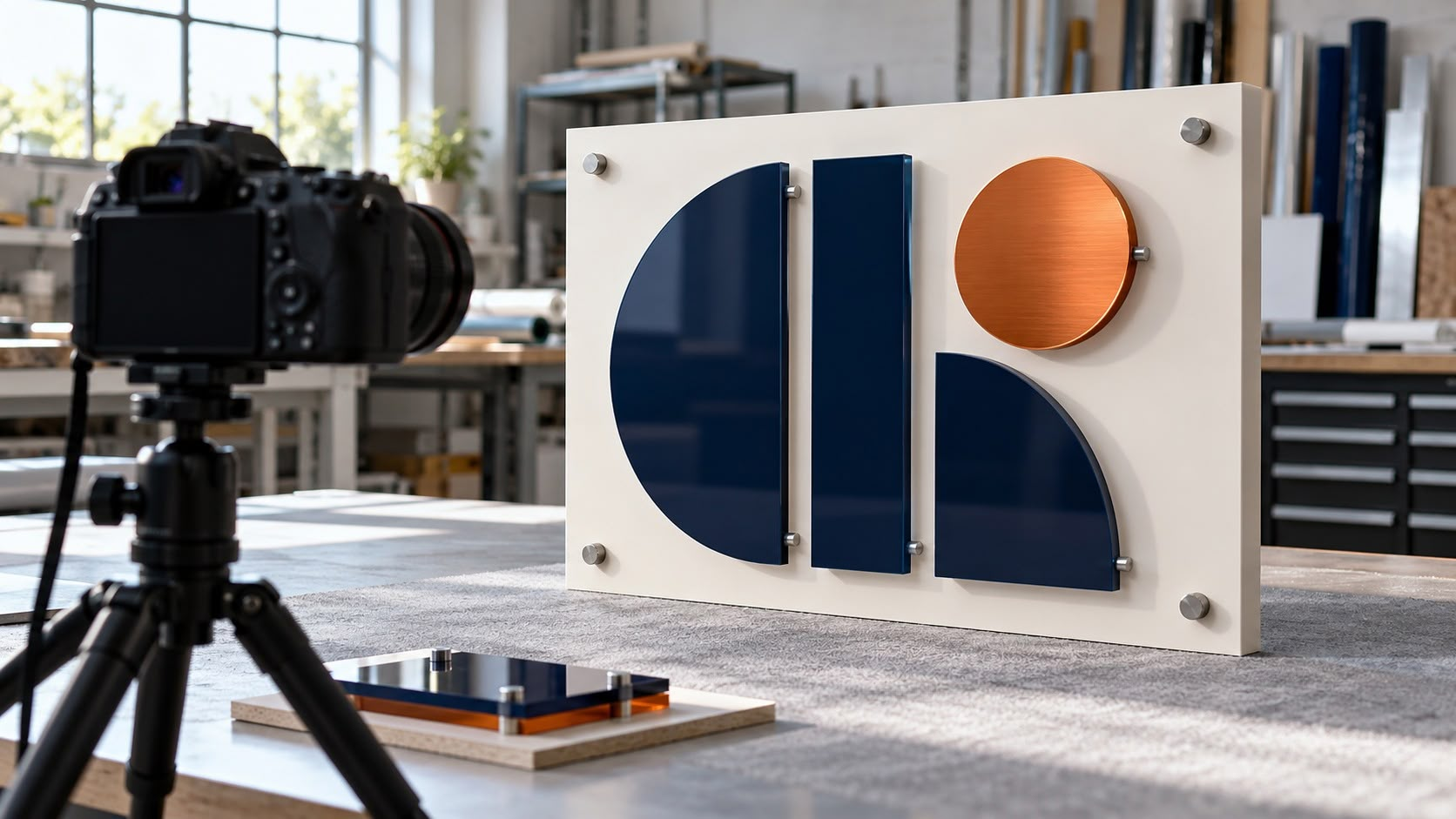
Featured image: AI-generated illustrative scene of project photography, not an actual customer job.
A finished sign or print job can answer questions your next customer has before they request a quote. What had to fit the space? Why was that material chosen? How did the artwork survive the move from screen to production? A useful case study makes those decisions understandable and shows what the team can actually document.
Start with the project record rather than a dramatic success claim. You do not need a sales-lift number to tell a worthwhile story. An approved brief, a clear explanation of the work and permission-cleared photographs can help a buyer judge whether your process suits their own project.
Choose a job with a decision worth explaining
Look for a project with a recognizable constraint: a limited installation window, a repeat-order color requirement, a difficult viewing angle or artwork that needed thoughtful preparation. Pick a story that helps customers make a choice. A long equipment list is rarely as useful as an explanation of why one production option fitted the brief.
Confirm that the job is complete, unresolved issues are represented fairly and someone can retrieve the relevant records. A routine job with good documentation is often easier to explain accurately than a spectacular job remembered only through a few phone pictures.
Keep the purpose separate from requesting a review. Our honest review workflow covers inviting customers to share their own experience. A shop-written case study is your account of the project, so your team owns its accuracy and the way it represents the customer.
Get approval for the actual story and photographs
Build a short permission record before publication. Send the customer the proposed text and selected images, and identify where they will appear. Ask the appropriate representative to confirm the business name, logo use, project details, quotations and any information that should remain private. A website article, a sales presentation and a paid advertisement are different uses; make the intended scope clear.
Check image rights separately. The U.S. Copyright Office explains that a photograph is generally initially owned by its photographer, subject to exceptions such as qualifying work made for hire. A customer’s approval to feature their business does not automatically establish your right to reuse a photographer’s image. Keep the applicable license or permission with the project record.
Use a practical approval checklist:
- Exact article version and image filenames approved
- Permitted business name, branding, channels and reuse
- Approved quotation wording and speaker identification
- Photographer ownership or license and any required credit
- Restrictions, approval date and the person who approved
Check photographs for bystanders, vehicle plates, access codes, private paperwork and unrelated customer information. Prefer a clean composition or a different image when those details are unnecessary. If rights or consent remain uncertain, hold that material back and resolve the question with the appropriate owner or adviser.
Capture context, craft and the finished use
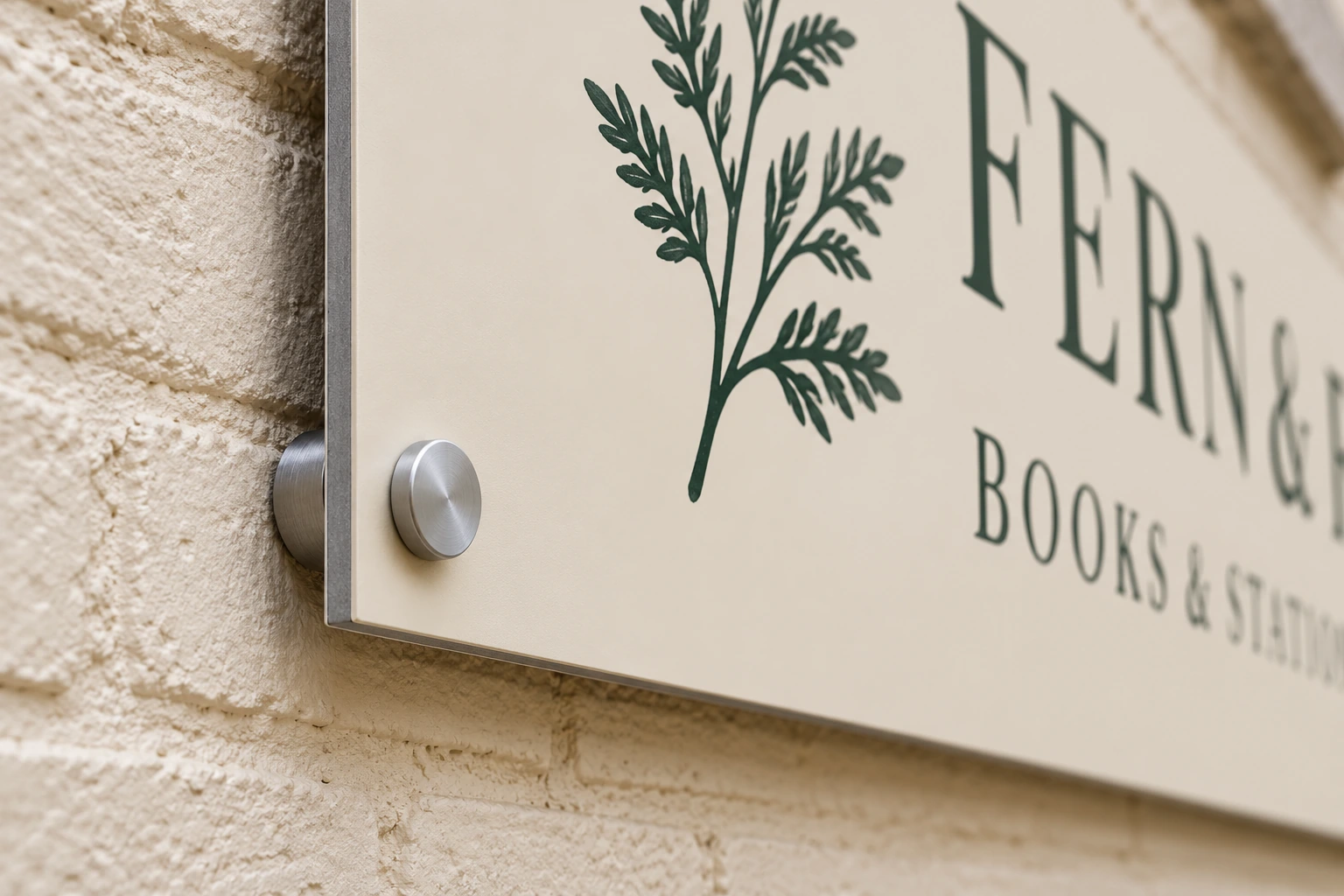
Plan three kinds of photograph. A context image shows where the work belongs. A detail image shows an important production decision, such as an edge, join, finish or mounting detail. A use image shows the installed sign at its intended viewing position, or the printed item opened or handled as a customer would encounter it.
These images should answer different questions. Three near-identical close-ups add less than one useful wide view and one sharp detail. Keep original files, record what each image shows and write captions that identify the visible feature. An image of a smooth finished edge supports a description of that edge; it does not demonstrate a longer service life.

For before-and-after images, preserve comparable framing and conditions wherever practical. Label changes in lighting, camera position or project stage that affect the comparison. Do not remove defects, add installed elements or substitute a generated image as evidence of completed work. Illustrative renders belong in a clearly labeled design-concept section.
Match every claim to evidence
Create a small claim register with four fields: proposed statement, supporting record, qualification and approval owner. Link factual statements to the job ticket, approved artwork, dated installation record or customer’s documented information. Our print-ready artwork checklist is a useful reference when explaining the production checks that were actually completed.
The FTC’s advertising guidance says advertisers need evidence for their claims before an advertisement runs. Consider the overall impression created by images and captions as well as literal wording. A photograph of a busy shop next to a new sign can imply a business result even when the paragraph never supplies a number.
Separate three kinds of statement: what the team delivered, what the customer reported and what a measurement supports. Attribute a customer’s opinion accurately. Do not turn “we like the entrance” into a claim that the sign increased foot traffic. The FTC’s endorsement guidance also explains when material connections require disclosure; review that guidance if an incentive or other relevant relationship is involved. It also addresses customers who knew in advance that their comments might appear in advertising. Check that circumstance when deciding what to disclose.
Write the story in five compact sections
Use the same framework across jobs so readers can compare them:
- Brief: What did the customer need, and where would the work be used?
- Constraint: Which practical requirement shaped the decision?
- Approach: What did the team choose, and why?
- Documented outcome: What do the records establish?
- Buyer takeaway: What should a customer bring to a similar project?
For example, imagine a hypothetical shop producing directional signs before a venue opens. Its case study could explain how the approved location list, artwork proof and installation checklist kept names and positions consistent. If records confirm completion before the agreed opening date, state that precise fact. Without visitor data, do not claim the signs reduced confusion or increased attendance. This example describes a possible structure, not an actual TopClassDesigns project.
Finish with a useful next step
Give the final text, captions and image selection one approval pass together. Save the approved version and supporting records. End with a relevant invitation to discuss a similar project, including the measurements, artwork or timing information a prospective customer should bring. Review the article when the customer relationship, installation or referenced product changes. A case study earns its place by making the next buying decision clearer and keeping every claim within the evidence.